How to Prevent Frozen Pipes in Edmonton
Last updated
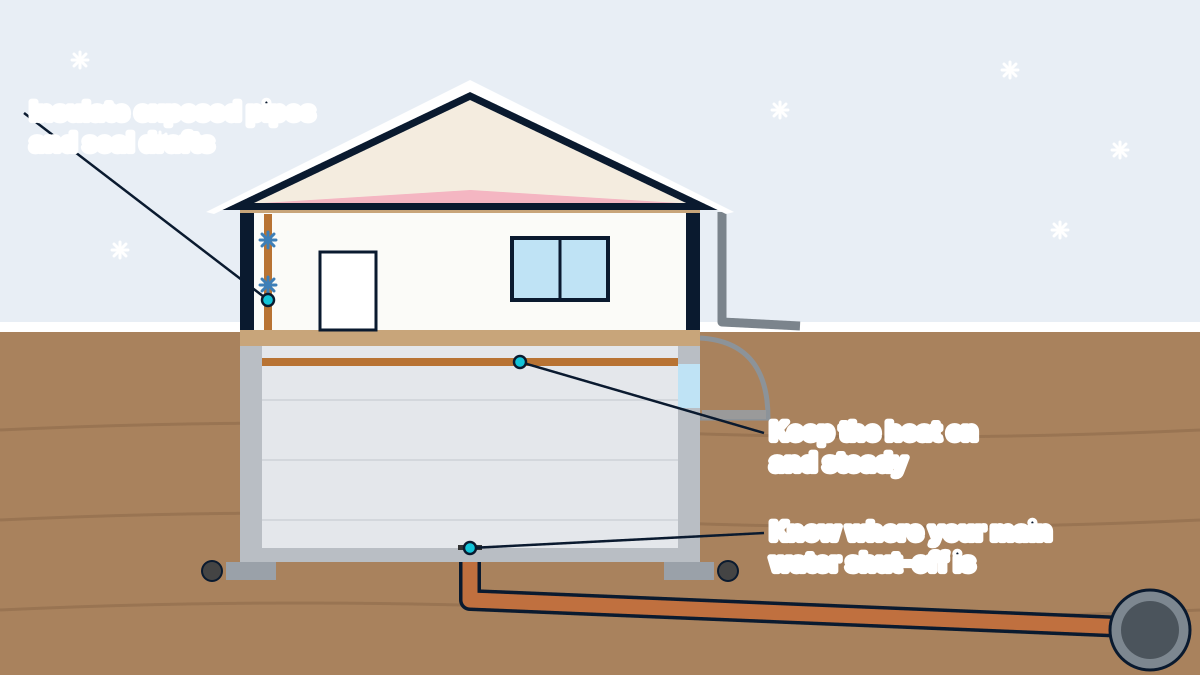
Keep the heat on, keep warm air reaching your pipes, and know where your main water shut-off is. Those three things prevent most frozen pipe damage. Here’s what to do before a cold snap, during one, and before you leave home in winter.
Why it matters in Edmonton
In January 2024, Edmonton had four straight days between -40 and -45°C. Frozen and burst pipes drove most of the insurance claims that followed.
The thaw is just as risky. Ice can split a pipe and plug it at the same time. When it warms up, the water pours out. During one sudden thaw, Edmonton Fire Rescue responded to 39 pipe calls in a single night.
Before winter
- Find your main water shut-off and make sure it turns. Show everyone in the house where it is.
- Disconnect garden hoses and shut off and drain outside taps if they have an inside shut-off.
- Seal drafts where pipes run near outside walls, rim joists, crawl spaces and garages.
- Insulate exposed pipes in unheated areas with foam pipe sleeves.
- Know your risky pipes. If a pipe froze before, it will likely freeze again.
Before and during a cold snap
- Keep the heat on and steady, day and night. Don’t set it way back overnight.
- Open cabinet doors under sinks on outside walls so warm air reaches the pipes.
- Let taps on outside walls drip slowly to keep water moving.
- Keep the garage door closed if water lines run through the garage.
- Check the basement and crawl space for cold spots.
When you leave home in winter
Burst-pipe damage is typically covered by standard home policies, but there can be limits if the home is left unattended in winter. Before you travel:
- Read your policy or call your broker about conditions for unattended homes.
- Leave the heat on.
- Ask someone to check the house regularly while you’re gone. Your policy may say how often.
- Consider shutting off the main water valve and draining the lines for longer trips. Ask a plumber if you’re unsure, especially if you have a boiler.
- Consider a water leak sensor or smart thermostat that alerts your phone.
If a pipe freezes
- No water from a tap during a cold snap usually means a frozen pipe.
- Open the tap so water can flow once it thaws.
- Warm the pipe gently with a hair dryer, starting near the tap and working back. Never use an open flame.
- If you see a crack or bulge, shut off the main water valve before it thaws.
- Call a plumber if you can’t find or reach the frozen section.
If a pipe bursts
Shut off the main water valve, turn off power to wet areas if you can do it safely, take photos, and call us. Our burst pipe page explains what happens next.