Basement Flooded? What to Do in the First 24 Hours
Last updated
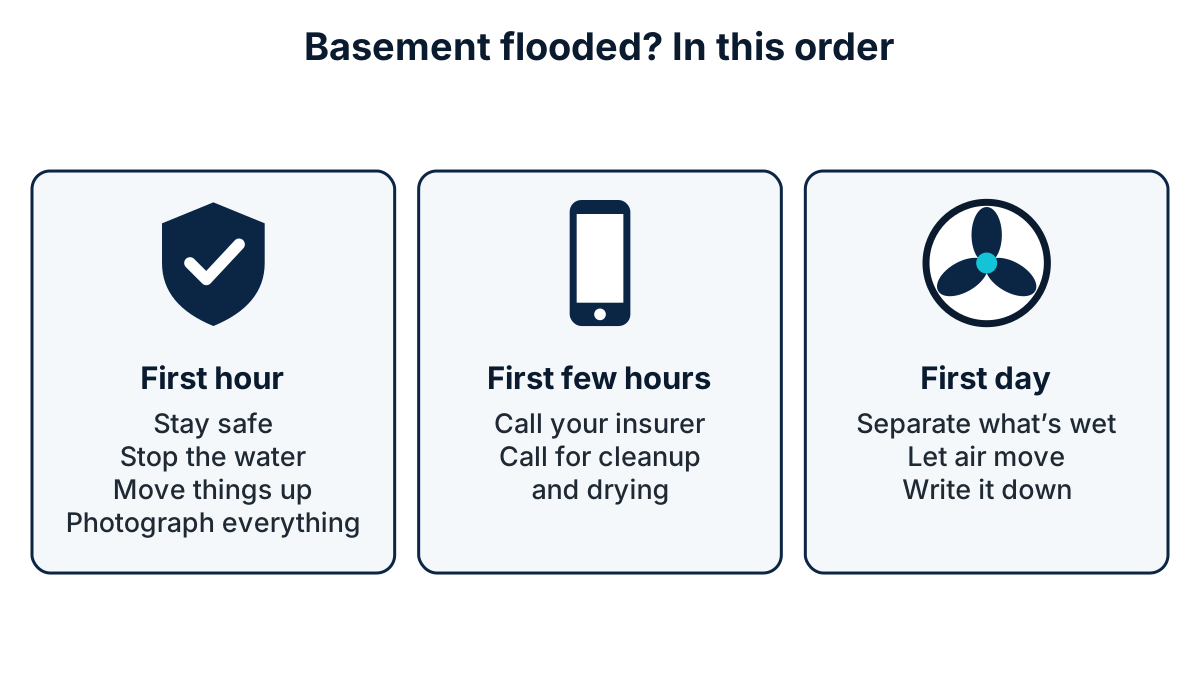
Stay safe first, stop the water if you can, and photograph everything before you clean up. Then get the space dried properly. The steps below are in the order that matters.
In the first hour
1. Stay safe
Don’t walk into standing water if outlets, power bars or cords could be under it. Turn off power to the basement only if you can reach the electrical panel without standing in water. If you smell gas, leave the house and call your gas company from outside.
2. Stop the water
- Pipe or appliance leak: shut off your main water valve. It’s usually in the basement where the water line enters, near the meter.
- Sewer backup: stop using all water. Don’t flush, shower or run the dishwasher or washer. Whatever you drain can come up the floor drain.
- Rain coming in: clear window wells and make sure downspouts point away from the house, if you can do it safely.
3. Move things up
Lift valuables, electronics, documents and anything sentimental off the floor and out of the basement.
4. Photograph everything
Take photos and video of the water, where it’s coming in, and everything it touched, before you move or throw anything out. Your insurer will ask for them.
5. Don’t use a household vacuum
Household vacuums aren’t built for water and can be a shock hazard.
In the first few hours
6. Call your insurer
Report the damage and ask about your coverage. Standard home policies don’t include overland flood or sewer backup; those are separate add-ons. Burst pipes are typically covered. See overland flood vs sewer backup insurance.
7. Call for cleanup and drying
Water that soaks into drywall, insulation and flooring needs proper drying. The sooner it starts, the more can be saved. Call us or send photos.
In the first day
8. Separate what’s wet
Move wet boxes, rugs and furniture somewhere they can be photographed and dried, or set aside for the adjuster. If the water was sewage or came from outside, treat everything it touched as contaminated.
9. Let air move
If it’s safe and the water was clean, open interior doors and run the furnace fan to keep air moving. Don’t seal up the basement.
10. Write it down
Note when it started, what you saw, and who you talked to. Keep receipts for anything you buy.
Why it happened
The City of Edmonton lists surface flooding, water getting in through basement cracks, and sewer backup as the main causes of basement flooding. Once you’re dry, fix the cause. Our basement flooding page covers prevention, and Edmonton Crack Repair handles foundation cracks.